
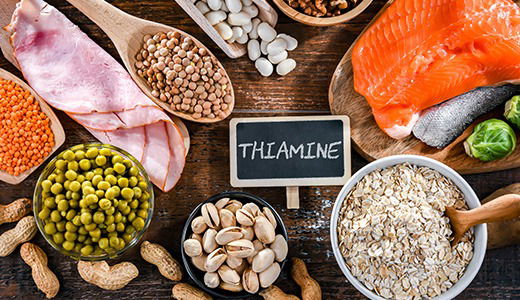
Dr. Liu Jia-Yia points to an often-ignored but crucial nutrient for maintaining brain health: “thiamine”, or Vitamin B1. Though it’s not frequently discussed, thiamine is essential for proper brain function, and a deficiency can contribute to serious cognitive issues, including dementia.
Thiamine Deficiency: A Silent but Serious Risk
Even with modern medical advancements, dementia rates are climbing in some parts of the world, such as the United States. In contrast, places like Singapore have seen a decline. One key difference? Thiamine consumption.
Thiamine plays a major role in converting carbohydrates and fats into usable energy, especially for the brain.
The U.S. addresses this by fortifying foods like bread and cereal with the vitamin.
But this may not be enough, particularly as current food processing and cooking techniques often strip thiamine from our meals.
Why Common Foods May Be Depleting Thiamine
Although white rice is a dietary staple for millions, it’s actually a refined food with much of its natural thiamine removed during processing. Unlike brown rice, it lacks the nutrient-rich outer layers.
In the past, communities relying heavily on white rice without additional supplementation experienced widespread thiamine deficiency, leading to mental decline and poor decision-making.
Habits That Quietly Deplete Thiamine Levels
A deficiency in thiamine doesn’t happen overnight. It develops gradually and is often misdiagnosed or overlooked. Symptoms like constant fatigue, brain fog, and mood swings are common but nonspecific. Certain everyday habits worsen the situation:
- Alcohol: Slashes thiamine absorption by half.
- High-heat cooking: Breaks down thiamine, especially when alkaline substances like baking soda are used.
- Caffeine: Found in coffee and tea, it acts as a diuretic and contains compounds that interfere with thiamine.
- Raw seafood: Contains enzymes that destroy thiamine in the digestive tract.
- Preservatives: Sulfites, used in processed foods and wine, degrade thiamine.
Even when rice is rinsed (a common practice to reduce arsenic), it can lose what little thiamine remains. Boiling foods and discarding the cooking water has a similar effect.
Dr. Liu Jia-Yia points to an often-ignored but crucial nutrient for maintaining brain health: “thiamine”, or Vitamin B1. Though it’s not frequently discussed, thiamine is essential for proper brain function, and a deficiency can contribute to serious cognitive issues, including dementia.
Thiamine Deficiency: A Silent but Serious Risk
Even with modern medical advancements, dementia rates are climbing in some parts of the world, such as the United States. In contrast, places like Singapore have seen a decline. One key difference? Thiamine consumption.
Thiamine plays a major role in converting carbohydrates and fats into usable energy, especially for the brain.
The U.S. addresses this by fortifying foods like bread and cereal with the vitamin.
But this may not be enough, particularly as current food processing and cooking techniques often strip thiamine from our meals.
Why Common Foods May Be Depleting Thiamine
Although white rice is a dietary staple for millions, it’s actually a refined food with much of its natural thiamine removed during processing. Unlike brown rice, it lacks the nutrient-rich outer layers.
In the past, communities relying heavily on white rice without additional supplementation experienced widespread thiamine deficiency, leading to mental decline and poor decision-making.
Habits That Quietly Deplete Thiamine Levels
A deficiency in thiamine doesn’t happen overnight. It develops gradually and is often misdiagnosed or overlooked. Symptoms like constant fatigue, brain fog, and mood swings are common but nonspecific. Certain everyday habits worsen the situation:
- Alcohol: Slashes thiamine absorption by half.
- High-heat cooking: Breaks down thiamine, especially when alkaline substances like baking soda are used.
- Caffeine: Found in coffee and tea, it acts as a diuretic and contains compounds that interfere with thiamine.
- Raw seafood: Contains enzymes that destroy thiamine in the digestive tract.
- Preservatives: Sulfites, used in processed foods and wine, degrade thiamine.
Even when rice is rinsed (a common practice to reduce arsenic), it can lose what little thiamine remains. Boiling foods and discarding the cooking water has a similar effect.


0 comments:
Post a Comment