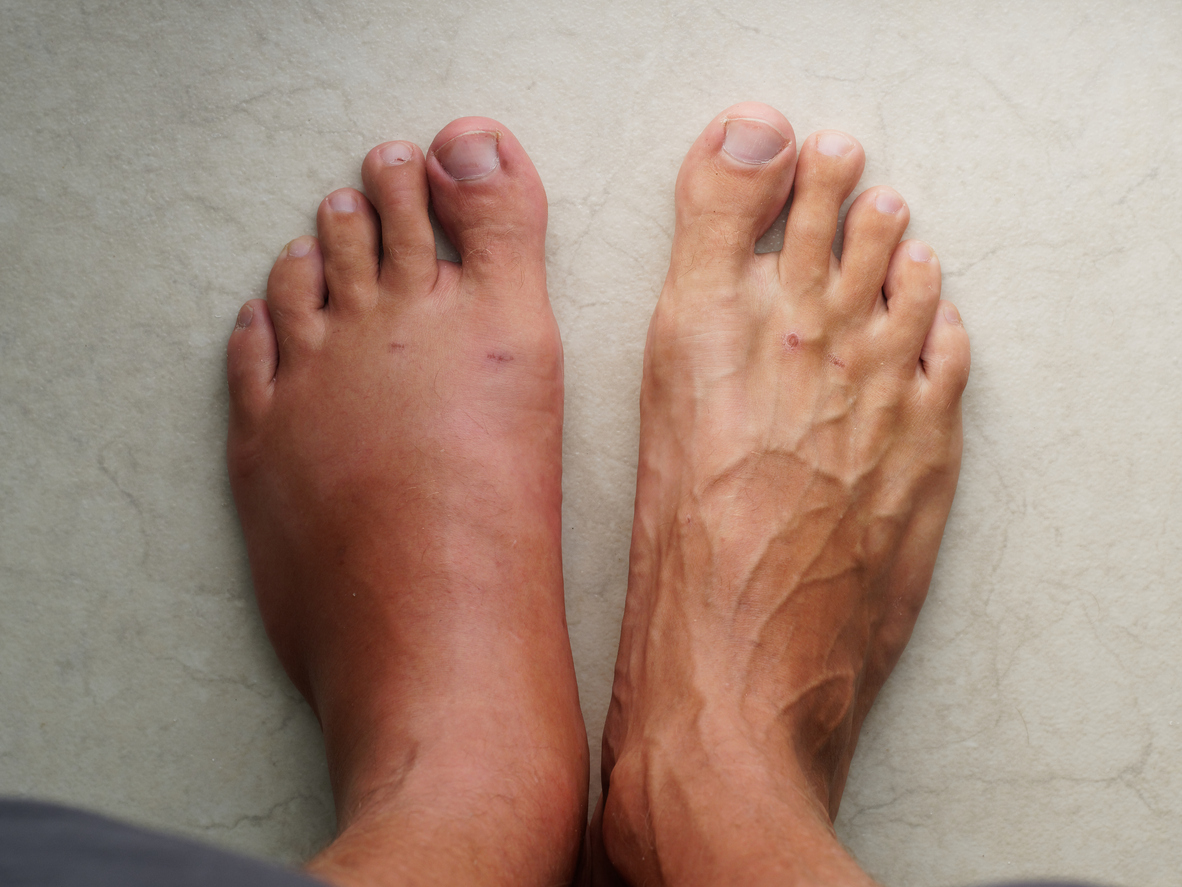
Lou Gehrig’s disease, also known scientifically as amyotrophic lateral sclerosis (ALS), is a serious neurological disease that progressively affects the body’s muscles.
Although it remains rare, its early signs are often misunderstood or overlooked because they can resemble benign conditions.
In this article, we will help you recognize early symptoms that deserve special attention.
What is Lou Gehrig’s disease (ALS)?
Lou Gehrig’s syndrome is a neurodegenerative disease that affects the motor neurons, the nerve cells responsible for voluntary muscle movements.
It gradually causes:
Muscle weakness
Muscle atrophy
A loss of mobility
And in advanced stages, breathing problems
Note: This condition does not affect intellectual abilities or the five senses. Patients remain mentally alert.
The first symptoms must not be ignored.
Here are the most common early signs that occur in people with Lou Gehrig’s syndrome.1. Unusual weakness in one arm or leg
They are having difficulties:
Climb stairs?
How to keep an object for a long time?
Should I write a message on a shirt or button it up?
This could be one of the first engine signals.
2. Loss of balance and frequent falls
Coordination becomes more difficult, especially on uneven terrain. Some describe a feeling of “weak legs” or a hesitant gait. 3. Muscle cramps and twitches
Fasciculations are small, involuntary muscle contractions that are visible under the skin (often in the arms or calves). They can be frequent and bothersome.
4. Language difficulties
Some patients notice a weaker voice, slurred speech, or difficulty articulating correctly. This is a typical sign when the affected area involves the facial or neck muscles.
5. Loss of dexterity
It is becoming increasingly difficult for you:
Write
Reach for specific objects
Typing on a keyboard
This may indicate a deterioration of the upper motor neurons.
6. Excessive muscle fatigue
A common sign is unusual, persistent fatigue, even after light exertion.
7. Swallowing difficulties
Even in the early stages, swallowing difficulties, a feeling of choking, or food getting stuck in the throat can occur Diagnosis and treatment
There is no single test to diagnose Lou Gehrig’s disease. The doctor relies on:
A complete neurological examination
An electromyography (EMG)
Blood tests and imaging to rule out other causes
Early detection enables a better quality of life and personalized monitoring.
Important information: Symptom: What you should watch out for: Muscle weakness in arms, legs and hands, visible cramps/fasciculations under the skin, speech problems, voice, articulation, difficulty swallowing, especially upon waking, loss of balance, unexplained falls, warning
Charcot disease is rare and its initial symptoms can resemble other benign conditions (fatigue, stress, deficiencies, etc.).
Only a medical professional can make a reliable diagnosis. If in doubt, consult a neurologist.
Lou Gehrig’s disease, also known scientifically as amyotrophic lateral sclerosis (ALS), is a serious neurological disease that progressively affects the body’s muscles.
Although it remains rare, its early signs are often misunderstood or overlooked because they can resemble benign conditions.
In this article, we will help you recognize early symptoms that deserve special attention.
What is Lou Gehrig’s disease (ALS)?
Lou Gehrig’s syndrome is a neurodegenerative disease that affects the motor neurons, the nerve cells responsible for voluntary muscle movements.
It gradually causes:
Muscle weakness
Muscle atrophy
A loss of mobility
And in advanced stages, breathing problems
Note: This condition does not affect intellectual abilities or the five senses. Patients remain mentally alert.
The first symptoms must not be ignored.
Here are the most common early signs that occur in people with Lou Gehrig’s syndrome.1. Unusual weakness in one arm or leg
They are having difficulties:
Climb stairs?
How to keep an object for a long time?
Should I write a message on a shirt or button it up?
This could be one of the first engine signals.
2. Loss of balance and frequent falls
Coordination becomes more difficult, especially on uneven terrain. Some describe a feeling of “weak legs” or a hesitant gait. 3. Muscle cramps and twitches
Fasciculations are small, involuntary muscle contractions that are visible under the skin (often in the arms or calves). They can be frequent and bothersome.
4. Language difficulties
Some patients notice a weaker voice, slurred speech, or difficulty articulating correctly. This is a typical sign when the affected area involves the facial or neck muscles.
5. Loss of dexterity
It is becoming increasingly difficult for you:
Write
Reach for specific objects
Typing on a keyboard
This may indicate a deterioration of the upper motor neurons.
6. Excessive muscle fatigue
A common sign is unusual, persistent fatigue, even after light exertion.
7. Swallowing difficulties
Even in the early stages, swallowing difficulties, a feeling of choking, or food getting stuck in the throat can occur Diagnosis and treatment
There is no single test to diagnose Lou Gehrig’s disease. The doctor relies on:
A complete neurological examination
An electromyography (EMG)
Blood tests and imaging to rule out other causes
Early detection enables a better quality of life and personalized monitoring.
Important information: Symptom: What you should watch out for: Muscle weakness in arms, legs and hands, visible cramps/fasciculations under the skin, speech problems, voice, articulation, difficulty swallowing, especially upon waking, loss of balance, unexplained falls, warning
Charcot disease is rare and its initial symptoms can resemble other benign conditions (fatigue, stress, deficiencies, etc.).
Only a medical professional can make a reliable diagnosis. If in doubt, consult a neurologist.
It’s hard to imagine life without electricity, yet we rely on it so much that we often overlook safety. High-wattage devices like air conditioners and toasters can easily overload power strips, creating fire hazards. Always check the capacity of a power strip before plugging in any device.
Here are appliances that should never be plugged into a power strip:
Oven – Requires a dedicated outlet due to its high power usage.
Refrigerator – Needs a separate outlet to handle frequent cycling and energy demands.
Heaters – Should be plugged directly into a wall socket because of their extended energy use.
Microwave – Needs its own outlet for safety.
Coffee Maker – Although it seems low-energy, it consumes a significant amount of power.
Toaster – Should be plugged directly into a wall socket to avoid overloading a power strip.
Power Strips – Never connect one power strip to another, as this violates safety codes.
Electronics (Computer, TV, Router) – Use power strips with built-in surge protection to prevent damage from power surges.
It’s hard to imagine life without electricity, yet we rely on it so much that we often overlook safety. High-wattage devices like air conditioners and toasters can easily overload power strips, creating fire hazards. Always check the capacity of a power strip before plugging in any device.
Here are appliances that should never be plugged into a power strip:
Oven – Requires a dedicated outlet due to its high power usage.
Refrigerator – Needs a separate outlet to handle frequent cycling and energy demands.
Heaters – Should be plugged directly into a wall socket because of their extended energy use.
Microwave – Needs its own outlet for safety.
Coffee Maker – Although it seems low-energy, it consumes a significant amount of power.
Toaster – Should be plugged directly into a wall socket to avoid overloading a power strip.
Power Strips – Never connect one power strip to another, as this violates safety codes.
Electronics (Computer, TV, Router) – Use power strips with built-in surge protection to prevent damage from power surges.
You finally thought your blood pressure was under control, yet your shoes feel tighter, your face looks puffier, and by evening you feel strangely drained. It is frustrating and even a little embarrassing when your body changes in ways you cannot explain. Many older adults quietly blame aging, but the truth is often closer than you think. What if the small pill you take daily is behind these changes and there is a smarter way to manage them without panic
What Is Amlodipine And Why Is It Prescribed
Amlodipine is a commonly prescribed medication used to help manage high blood pressure and certain heart conditions. It belongs to a group of drugs called calcium channel blockers. Simply put, it helps relax blood vessels so blood flows more easily.
For many people, especially older adults, it plays an important role in keeping blood pressure within a safer range. Studies have shown that medications like this can reduce the risk of serious complications when used properly.
But here is where it gets interesting
While effective, Amlodipine can also cause side effects that are often misunderstood or ignored.
Swelling In Feet And Ankles That Sneaks Up On You
This is one of the most common complaints.
You may notice your socks leaving deeper marks or your shoes feeling tighter by the end of the day. This happens because Amlodipine can cause fluid to build up in the lower legs.
But that is not all
Many people ignore this thinking it is just aging or standing too long.
What you can do right away
• Elevate your legs for 20 minutes a day • Avoid sitting for long periods • Wear comfortable shoes that are not tight
If swelling becomes severe or painful, it is time to speak with your doctor.
Facial Puffiness And Flushing That Feels Uncomfortable
Have you ever looked in the mirror and thought your face looks fuller or slightly red?
Amlodipine can widen blood vessels, which may lead to facial flushing or puffiness. It is not dangerous in most cases, but it can feel uncomfortable or even embarrassing.
The truth is
This side effect is more noticeable in warm environments or after physical activity.
Simple adjustments
• Stay hydrated • Avoid excessive heat exposure • Use a cool compress when needed
Persistent Fatigue That Drains Your Day
Feeling tired all the time is not always just age.
Amlodipine may lower blood pressure slightly more than your body is used to, leading to fatigue or weakness.
Here is the part many people miss
You may not feel dizzy, but your energy levels quietly drop.
Warning signs
• Lack of motivation • Feeling sleepy during the day • Reduced physical activity
Dizziness And Lightheaded Moments
Standing up too quickly and feeling like the room is spinning can be unsettling.
This happens because Amlodipine lowers blood pressure, and your body may need time to adjust.
But wait
Ignoring this can increase the risk of falls, especially in older adults.
Safety tips
• Stand up slowly from sitting or lying down • Hold onto stable surfaces when needed • Avoid sudden movements
Headaches That Come And Go
Some people experience mild headaches when starting Amlodipine.
This is usually temporary and related to changes in blood flow.
The good news
It often improves after your body adjusts.
Helpful habits
• Drink enough water • Maintain a regular sleep schedule • Limit caffeine if headaches worsen
Heart Palpitations Or Rapid Heartbeat
You might feel your heart beating faster or irregularly.
This can be alarming, but it is sometimes linked to how your body responds to the medication.
However
If this happens frequently or feels intense, it should not be ignored.
Nausea And Digestive Discomfort
Some individuals notice mild nausea or loss of appetite.
This is usually not severe but can affect daily comfort.
• Take your medication at the same time daily • Monitor your blood pressure regularly • Stay physically active with light walking • Reduce salt intake • Keep a symptom journal
According to health research, small lifestyle adjustments can significantly improve how your body responds to medication.
Final Thoughts
Amlodipine can be helpful, but your body always sends signals when something feels off.
Social Sciences
Do not ignore subtle changes. The earlier you notice them, the easier it is to manage.
And remember that small daily habits often make the biggest difference.
Frequently Asked Questions
Is swelling from Amlodipine dangerous
In most cases, it is not dangerous but should be monitored. If it becomes severe or painful, consult your doctor.
Can side effects go away over time
Yes, many side effects improve as your body adjusts within a few weeks.
Should I stop taking Amlodipine if I feel side effects
Do not stop suddenly. Always discuss with a healthcare professional before making changes.
Medical Disclaimer
This article is for informational purposes only and does not replace professional medical advice. Always consult a qualified healthcare provider regarding any concerns about medications or symptoms.
You finally thought your blood pressure was under control, yet your shoes feel tighter, your face looks puffier, and by evening you feel strangely drained. It is frustrating and even a little embarrassing when your body changes in ways you cannot explain. Many older adults quietly blame aging, but the truth is often closer than you think. What if the small pill you take daily is behind these changes and there is a smarter way to manage them without panic
What Is Amlodipine And Why Is It Prescribed
Amlodipine is a commonly prescribed medication used to help manage high blood pressure and certain heart conditions. It belongs to a group of drugs called calcium channel blockers. Simply put, it helps relax blood vessels so blood flows more easily.
For many people, especially older adults, it plays an important role in keeping blood pressure within a safer range. Studies have shown that medications like this can reduce the risk of serious complications when used properly.
But here is where it gets interesting
While effective, Amlodipine can also cause side effects that are often misunderstood or ignored.
Swelling In Feet And Ankles That Sneaks Up On You
This is one of the most common complaints.
You may notice your socks leaving deeper marks or your shoes feeling tighter by the end of the day. This happens because Amlodipine can cause fluid to build up in the lower legs.
But that is not all
Many people ignore this thinking it is just aging or standing too long.
What you can do right away
• Elevate your legs for 20 minutes a day • Avoid sitting for long periods • Wear comfortable shoes that are not tight
If swelling becomes severe or painful, it is time to speak with your doctor.
Facial Puffiness And Flushing That Feels Uncomfortable
Have you ever looked in the mirror and thought your face looks fuller or slightly red?
Amlodipine can widen blood vessels, which may lead to facial flushing or puffiness. It is not dangerous in most cases, but it can feel uncomfortable or even embarrassing.
The truth is
This side effect is more noticeable in warm environments or after physical activity.
Simple adjustments
• Stay hydrated • Avoid excessive heat exposure • Use a cool compress when needed
Persistent Fatigue That Drains Your Day
Feeling tired all the time is not always just age.
Amlodipine may lower blood pressure slightly more than your body is used to, leading to fatigue or weakness.
Here is the part many people miss
You may not feel dizzy, but your energy levels quietly drop.
Warning signs
• Lack of motivation • Feeling sleepy during the day • Reduced physical activity
Dizziness And Lightheaded Moments
Standing up too quickly and feeling like the room is spinning can be unsettling.
This happens because Amlodipine lowers blood pressure, and your body may need time to adjust.
But wait
Ignoring this can increase the risk of falls, especially in older adults.
Safety tips
• Stand up slowly from sitting or lying down • Hold onto stable surfaces when needed • Avoid sudden movements
Headaches That Come And Go
Some people experience mild headaches when starting Amlodipine.
This is usually temporary and related to changes in blood flow.
The good news
It often improves after your body adjusts.
Helpful habits
• Drink enough water • Maintain a regular sleep schedule • Limit caffeine if headaches worsen
Heart Palpitations Or Rapid Heartbeat
You might feel your heart beating faster or irregularly.
This can be alarming, but it is sometimes linked to how your body responds to the medication.
However
If this happens frequently or feels intense, it should not be ignored.
Nausea And Digestive Discomfort
Some individuals notice mild nausea or loss of appetite.
This is usually not severe but can affect daily comfort.
• Take your medication at the same time daily • Monitor your blood pressure regularly • Stay physically active with light walking • Reduce salt intake • Keep a symptom journal
According to health research, small lifestyle adjustments can significantly improve how your body responds to medication.
Final Thoughts
Amlodipine can be helpful, but your body always sends signals when something feels off.
Social Sciences
Do not ignore subtle changes. The earlier you notice them, the easier it is to manage.
And remember that small daily habits often make the biggest difference.
Frequently Asked Questions
Is swelling from Amlodipine dangerous
In most cases, it is not dangerous but should be monitored. If it becomes severe or painful, consult your doctor.
Can side effects go away over time
Yes, many side effects improve as your body adjusts within a few weeks.
Should I stop taking Amlodipine if I feel side effects
Do not stop suddenly. Always discuss with a healthcare professional before making changes.
Medical Disclaimer
This article is for informational purposes only and does not replace professional medical advice. Always consult a qualified healthcare provider regarding any concerns about medications or symptoms.
Picture this: You start metoprolol to manage high blood pressure or protect your heart after a scare. At first, everything seems under control. Then, that persistent tiredness creeps in, or you notice your mood dipping lower than usual. You wonder—is this just aging, or could the medication be playing a bigger role? Many people taking this common beta-blocker experience effects they never expected. While metoprolol helps millions control heart conditions, research and patient reports highlight side effects that sometimes get downplayed in quick office visits.
The truth? Most people tolerate metoprolol well, but certain reactions can affect daily life more than you might anticipate. Studies show side effects often improve as your body adjusts, yet some persist or surprise patients. What if knowing these ahead of time helped you spot them early and talk to your doctor sooner? Let’s count down the 10 most noteworthy ones—starting from the more subtle and building to the ones that demand immediate attention.
10. Unusual Dreams or Sleep Disturbances
Imagine drifting off only to wake from vivid, bizarre dreams that leave you unsettled. Some people on metoprolol report more intense or disturbing dreams, along with trouble staying asleep. This ties to the drug’s ability to cross into the brain, especially in lipophilic forms like metoprolol.
Research on beta-blockers notes these central nervous system effects can occur, particularly in older adults. You might feel groggy the next day, wondering why rest doesn’t recharge you. But hold on—this is just the start; the next one often hits closer to home for many.
9. Mood Changes Including Depression
Ever feel a cloud settle over your usual outlook without clear reason? Metoprolol has been linked to feelings of depression or low mood in some users. Reports describe a subtle emotional flatness that builds over weeks.
While not everyone experiences this, studies indicate beta-blockers can influence brain chemistry. You might think, “Is this just stress from my heart condition?” It could be—but recognizing it early allows discussion with your provider. And speaking of subtle shifts, the next effect often pairs with this one.
8. Short-Term Memory Issues or Brain Fog
You reach for a name or forget why you walked into the room more often than before. Some patients describe mild cognitive fuzziness or short-term memory slips while on metoprolol.
This appears less frequently, but case reports and reviews suggest it can happen, especially in those sensitive to CNS effects. The fog might lift with time or dose changes. Skeptical? Many initially blame age—yet addressing it can make a difference. But wait—the physical tiredness coming up affects even more people.
7. Profound Fatigue That Lingers
Waking up already exhausted, even after a full night’s sleep? Fatigue ranks among the most reported effects of metoprolol, sometimes described as a heavy blanket over your energy.
Clinical data shows tiredness or unusual weakness occurs commonly, often because the drug slows heart rate and reduces cardiac output. You might push through, thinking it’s normal recovery. Research suggests it may ease, but for some, it persists. And this fatigue often teams up with the next surprising effect.
6. Sexual Function Changes
Noticing a drop in libido or difficulty with performance? Metoprolol can contribute to erectile dysfunction or reduced sexual interest in some men, a side effect tied to its impact on blood flow and hormones.
This gets mentioned less in routine discussions, yet studies acknowledge it as possible. You might hesitate to bring it up, but many find relief through open talks or adjustments. “Is it the heart issue or the pill?” Often, it’s worth exploring both.
5. Masked Low Blood Sugar Signs (Especially for Diabetics)
If you have diabetes, metoprolol might hide early warning signs of low blood sugar—like a racing heart—making episodes feel more sudden and severe.
Medical sources warn this masking increases risk of prolonged hypoglycemia. Sweating or shakiness might be your only clues. You could think, “My sugar never drops like this.” Monitoring closely becomes essential. But the respiratory concerns ahead can feel even more alarming.
4. Breathing Difficulties or Worsening Lung Issues
A subtle tightness in your chest or shortness of breath during activity? Metoprolol can trigger bronchospasm in people with asthma or reactive airways, tightening muscles around the lungs.
This effect appears more in those with preexisting conditions, though rare in others. Studies highlight caution for lung patients. Imagine feeling winded on a short walk—prompt attention can prevent escalation. Yet the heart-related risks coming next are truly critical.
3. Dangerously Slow Heart Rate (Bradycardia)
Your pulse drops too low, leaving you dizzy or faint. Bradycardia ranks as a serious but possible effect, with some experiencing rates under 40 beats per minute.
Discover more
Herbs & Spices
Health
Alternative & Natural Medicine
Data from prescribing information notes this can lead to lightheadedness or fainting. You might dismiss early signs as “just being tired.” Immediate medical check often resolves it through dose tweaks. And this leads to an even more pressing concern.
2. Sudden Worsening of Heart Failure Symptoms
Swelling in your legs, rapid weight gain, or increased shortness of breath? In some with heart failure, metoprolol may initially worsen symptoms before benefits appear.
Guidelines emphasize close monitoring early on. You could feel frustrated, wondering why treatment seems to backfire. Careful titration usually helps, but vigilance saves trouble. But the most shocking one—often overlooked—waits at number one.
1. Risks from Stopping Abruptly
Suddenly quitting metoprolol can trigger rebound effects like severe chest pain, high blood pressure spikes, irregular rhythms, or even heart attack risk—especially in those with coronary disease.
Every major source stresses: Never stop without medical guidance. Taper gradually under supervision. Many patients discover this the hard way, facing withdrawal symptoms that feel life-threatening. This underscores why awareness matters most.
Quick Comparison: Common vs. Less Common Effects
Safe Ways to Manage and What to Watch For
Start low and go slow—many effects lessen as your body adapts. Rise slowly from sitting to avoid dizziness. Track your pulse and blood pressure at home. For diabetics, check sugars more often.
Always consult your healthcare provider before changes. They can adjust doses, switch medications, or monitor closely. Lifestyle tweaks like staying hydrated and light activity help too.
Take Control of Your Treatment Journey
Metoprolol saves lives for countless people managing heart conditions—but knowledge empowers you to handle side effects proactively. Spotting subtle changes early can prevent bigger issues and keep you feeling your best.
Don’t wait for problems to build. Discuss any new symptoms openly with your doctor today. Your heart health deserves that attention.
P.S. One quick tip: Keeping a simple daily symptom journal helps spot patterns your provider might miss.
This article is for informational purposes only and is not a substitute for professional medical advice. Readers are strongly encouraged to consult their healthcare provider for personalized guidance before making any changes to medications or treatment plans.
Picture this: You start metoprolol to manage high blood pressure or protect your heart after a scare. At first, everything seems under control. Then, that persistent tiredness creeps in, or you notice your mood dipping lower than usual. You wonder—is this just aging, or could the medication be playing a bigger role? Many people taking this common beta-blocker experience effects they never expected. While metoprolol helps millions control heart conditions, research and patient reports highlight side effects that sometimes get downplayed in quick office visits.
The truth? Most people tolerate metoprolol well, but certain reactions can affect daily life more than you might anticipate. Studies show side effects often improve as your body adjusts, yet some persist or surprise patients. What if knowing these ahead of time helped you spot them early and talk to your doctor sooner? Let’s count down the 10 most noteworthy ones—starting from the more subtle and building to the ones that demand immediate attention.
10. Unusual Dreams or Sleep Disturbances
Imagine drifting off only to wake from vivid, bizarre dreams that leave you unsettled. Some people on metoprolol report more intense or disturbing dreams, along with trouble staying asleep. This ties to the drug’s ability to cross into the brain, especially in lipophilic forms like metoprolol.
Research on beta-blockers notes these central nervous system effects can occur, particularly in older adults. You might feel groggy the next day, wondering why rest doesn’t recharge you. But hold on—this is just the start; the next one often hits closer to home for many.
9. Mood Changes Including Depression
Ever feel a cloud settle over your usual outlook without clear reason? Metoprolol has been linked to feelings of depression or low mood in some users. Reports describe a subtle emotional flatness that builds over weeks.
While not everyone experiences this, studies indicate beta-blockers can influence brain chemistry. You might think, “Is this just stress from my heart condition?” It could be—but recognizing it early allows discussion with your provider. And speaking of subtle shifts, the next effect often pairs with this one.
8. Short-Term Memory Issues or Brain Fog
You reach for a name or forget why you walked into the room more often than before. Some patients describe mild cognitive fuzziness or short-term memory slips while on metoprolol.
This appears less frequently, but case reports and reviews suggest it can happen, especially in those sensitive to CNS effects. The fog might lift with time or dose changes. Skeptical? Many initially blame age—yet addressing it can make a difference. But wait—the physical tiredness coming up affects even more people.
7. Profound Fatigue That Lingers
Waking up already exhausted, even after a full night’s sleep? Fatigue ranks among the most reported effects of metoprolol, sometimes described as a heavy blanket over your energy.
Clinical data shows tiredness or unusual weakness occurs commonly, often because the drug slows heart rate and reduces cardiac output. You might push through, thinking it’s normal recovery. Research suggests it may ease, but for some, it persists. And this fatigue often teams up with the next surprising effect.
6. Sexual Function Changes
Noticing a drop in libido or difficulty with performance? Metoprolol can contribute to erectile dysfunction or reduced sexual interest in some men, a side effect tied to its impact on blood flow and hormones.
This gets mentioned less in routine discussions, yet studies acknowledge it as possible. You might hesitate to bring it up, but many find relief through open talks or adjustments. “Is it the heart issue or the pill?” Often, it’s worth exploring both.
5. Masked Low Blood Sugar Signs (Especially for Diabetics)
If you have diabetes, metoprolol might hide early warning signs of low blood sugar—like a racing heart—making episodes feel more sudden and severe.
Medical sources warn this masking increases risk of prolonged hypoglycemia. Sweating or shakiness might be your only clues. You could think, “My sugar never drops like this.” Monitoring closely becomes essential. But the respiratory concerns ahead can feel even more alarming.
4. Breathing Difficulties or Worsening Lung Issues
A subtle tightness in your chest or shortness of breath during activity? Metoprolol can trigger bronchospasm in people with asthma or reactive airways, tightening muscles around the lungs.
This effect appears more in those with preexisting conditions, though rare in others. Studies highlight caution for lung patients. Imagine feeling winded on a short walk—prompt attention can prevent escalation. Yet the heart-related risks coming next are truly critical.
3. Dangerously Slow Heart Rate (Bradycardia)
Your pulse drops too low, leaving you dizzy or faint. Bradycardia ranks as a serious but possible effect, with some experiencing rates under 40 beats per minute.
Discover more
Herbs & Spices
Health
Alternative & Natural Medicine
Data from prescribing information notes this can lead to lightheadedness or fainting. You might dismiss early signs as “just being tired.” Immediate medical check often resolves it through dose tweaks. And this leads to an even more pressing concern.
2. Sudden Worsening of Heart Failure Symptoms
Swelling in your legs, rapid weight gain, or increased shortness of breath? In some with heart failure, metoprolol may initially worsen symptoms before benefits appear.
Guidelines emphasize close monitoring early on. You could feel frustrated, wondering why treatment seems to backfire. Careful titration usually helps, but vigilance saves trouble. But the most shocking one—often overlooked—waits at number one.
1. Risks from Stopping Abruptly
Suddenly quitting metoprolol can trigger rebound effects like severe chest pain, high blood pressure spikes, irregular rhythms, or even heart attack risk—especially in those with coronary disease.
Every major source stresses: Never stop without medical guidance. Taper gradually under supervision. Many patients discover this the hard way, facing withdrawal symptoms that feel life-threatening. This underscores why awareness matters most.
Quick Comparison: Common vs. Less Common Effects
Safe Ways to Manage and What to Watch For
Start low and go slow—many effects lessen as your body adapts. Rise slowly from sitting to avoid dizziness. Track your pulse and blood pressure at home. For diabetics, check sugars more often.
Always consult your healthcare provider before changes. They can adjust doses, switch medications, or monitor closely. Lifestyle tweaks like staying hydrated and light activity help too.
Take Control of Your Treatment Journey
Metoprolol saves lives for countless people managing heart conditions—but knowledge empowers you to handle side effects proactively. Spotting subtle changes early can prevent bigger issues and keep you feeling your best.
Don’t wait for problems to build. Discuss any new symptoms openly with your doctor today. Your heart health deserves that attention.
P.S. One quick tip: Keeping a simple daily symptom journal helps spot patterns your provider might miss.
This article is for informational purposes only and is not a substitute for professional medical advice. Readers are strongly encouraged to consult their healthcare provider for personalized guidance before making any changes to medications or treatment plans.

 What is Lou Gehrig’s disease (ALS)?
 Unusual weakness in one arm or leg
 Loss of balance and frequent falls
 Muscle cramps and twitches
 Language difficulties
 Loss of dexterity
 Excessive muscle fatigue
 Swallowing difficulties
 Diagnosis and treatment
 Important information:
 Symptom:
  What you should watch out for:
 warning